I used to be terrified of silence. Not the kind you find in a library or an empty room, but the kind that settles in when you’re alone with your thoughts. For years, I filled every moment with noise—podcasts, music, conversations, the endless scroll of social media. I told myself it was productivity, connection, staying informed. But underneath, there was a quiet fear of what might surface if I let the world go still. When I finally stopped running, silence became one of the most transformative teachers of my life. This is not about monastic retreats or drastic lifestyle changes. It’s about reclaiming the spaces between words and discovering who you are when no one is watching.

The Noise We Carry
We live in a culture that treats silence like a void to be filled. Notifications ping, televisions murmur in the background, and even our downtime is scheduled with audiobooks or playlists. A while back, the power went out in my apartment. No hum of the refrigerator, no Wi-Fi signal, no glowing screens. The sudden hush felt almost aggressive. I paced. I picked up my phone out of habit, even though it was dead. That discomfort hit me hard: I had lost the ability to simply be without external stimulation.
Psychologists call this phenomenon “noise addiction”—a dependence on constant auditory input to avoid introspection. When we never pause, we drown out the inner voice that questions, dreams, and sometimes grieves. For me, the noise was a shield. It protected me from loneliness, from regrets, from the nagging sense that I was drifting through my own life. But shields can become cages. The noise we carry is often the sound of our own avoidance.
Silence is not just the absence of sound. It’s an active space where we can hear the things we’ve been ignoring—the unprocessed emotions, the neglected hopes, the truths we’ve been too busy to face. When I began to sit with that discomfort, even for five minutes at a time, I noticed a shift. The static in my mind started to clear, like dust settling after a storm.
What I Found in the Quiet
My first experiments with intentional silence were messy. I would sit on my balcony, determined to do nothing, and immediately feel restless. My mind raced through to-do lists, awkward conversations from years ago, random anxieties about the future. It felt counterproductive. But I kept showing up, and gradually, the mental chatter softened. Beneath the noise, I found a version of myself I had nearly forgotten—curious, reflective, and surprisingly at peace.
The Mirror of Stillness
One evening, after a particularly hard week, I walked to a park and sat on a bench without my earbuds. The only sounds were wind in the trees and distant traffic. As my breathing slowed, I realized I was sad—not about anything specific, but a deep, accumulated sadness I had been pushing away with busyness. In the silence, I could finally name it. Naming it didn’t fix everything, but it loosened the knot in my chest. Silence acted as a mirror, showing me what I truly felt, not what I was supposed to feel.
This pattern repeated. In quiet moments, I rediscovered my love for writing, which I had abandoned because it felt impractical. I confronted the fear that I was not doing enough with my life, and that confrontation eased its grip. Silence did not give me answers so much as it cleared the fog so I could find them myself. It taught me that personal growth is not always about adding new habits or skills; sometimes it’s about removing the layers that hide who we already are.
Practical Ways to Embrace Silence
If you are used to constant noise, the idea of deliberate silence can feel daunting. I started small, and I recommend the same. These practices are not about perfection—they’re about creating small openings for reflection in everyday life.
Morning Silence Ritual
For the first ten minutes after waking, I avoid all screens and audio. I make coffee, stare out the window, and let my mind wander. At first, it felt wasteful. Now, it is the foundation of my day. This simple practice reduces reactivity and sets a calm, intentional tone. I notice my thoughts before the world tells me what to think.
Commute Without Input
Whether driving, walking, or taking transit, I sometimes leave the earbuds at home. The first few minutes feel naked, but then I start observing—the architecture, the faces of strangers, the way light falls on buildings. This is not just silence; it’s presence. I arrive at my destination less frazzled and more connected to my surroundings.
Silent Retreats in Daily Life
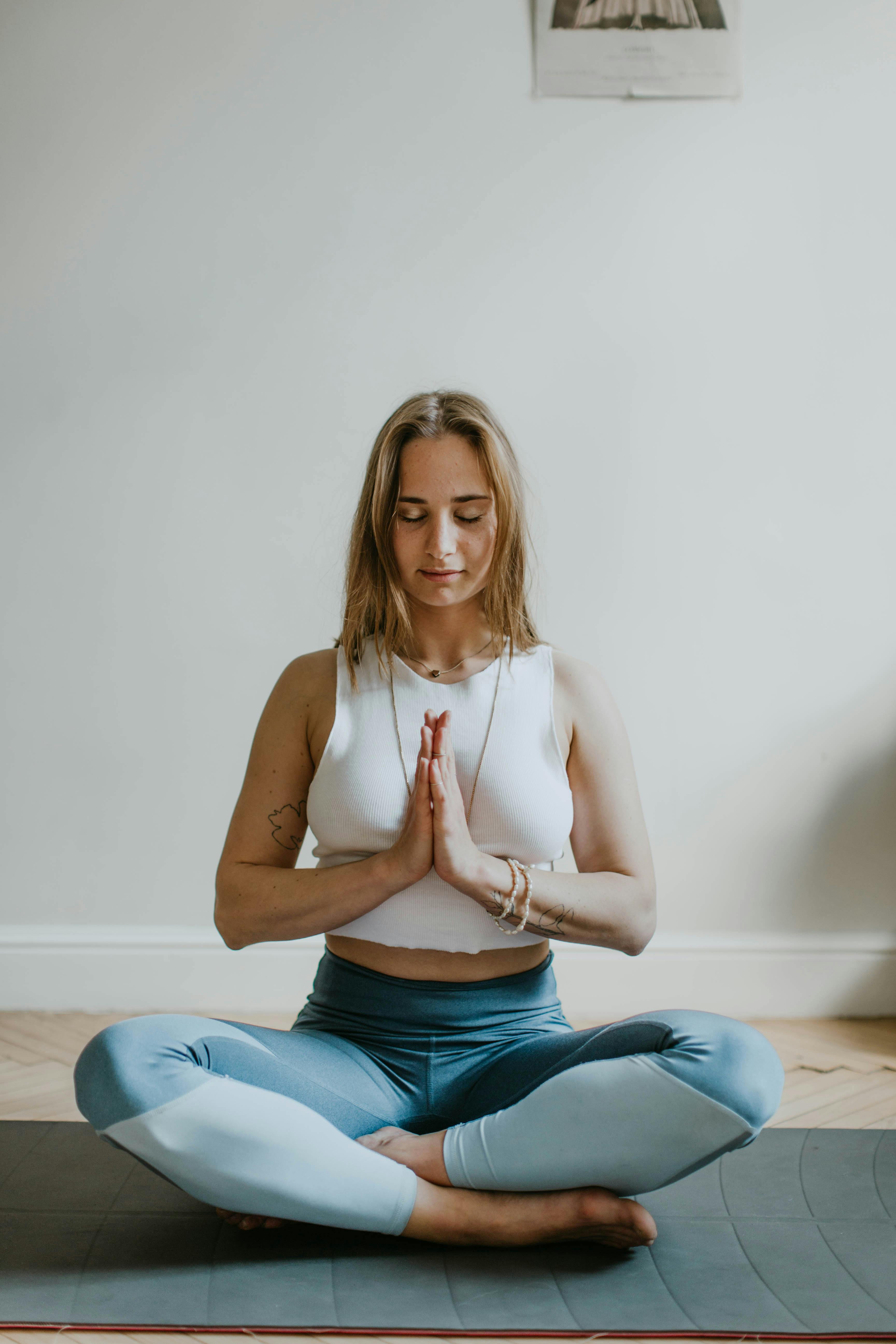
Once a month, I designate a half-day with no talking, no music, no digital interaction. I read, cook, journal, or simply sit. These mini-retreats recalibrate my internal compass. They remind me that my worth is not tied to output. In the stillness, I often stumble upon creative ideas or emotional breakthroughs that the noise had buried.
The Science Behind the Stillness
Silence is not just a spiritual concept; it has measurable effects on the brain. Research suggests that periods of quiet can stimulate neurogenesis—the growth of new brain cells—in the hippocampus, a region linked to memory and emotion. A 2013 study on mice found that two hours of silence per day led to the development of new cells, a finding that challenges our obsession with constant mental stimulation. When we are silent, the brain shifts into a restful state that consolidates learning and repairs itself.
In my own life, I have noticed that after intentional silence, my focus sharpens and my emotional responses become less impulsive. It feels like a mental reset. The constant barrage of information keeps our brains in a low-level stress state. Silence interrupts that cycle, offering a biological reprieve that no amount of entertainment can replicate.
Facing Resistance
Not everyone around me understood this shift. A friend once asked if I was depressed because I was spending more time alone. Another assumed I was going through a spiritual crisis. The truth was simpler: I was learning to enjoy my own company. Silence can threaten a culture built on connectivity; it looks like withdrawal when it is actually nourishment.
There were internal obstacles, too. Old habits of self-criticism would creep in during quiet moments. I would start a silent sit and end up replaying every mistake I had ever made. But I learned to treat those thoughts like passing clouds—acknowledging them without clinging. Silence taught me that I am not my thoughts; I am the awareness behind them. That distinction is the bedrock of personal growth.
Integrating Silence into a Noisy World
This is not about rejecting modern life. I still love music, lively conversations, and the hum of a busy café. But I now treat silence as a non-negotiable part of my well-being, like sleep or exercise. It is the counterbalance that makes the noise meaningful. On days when I skip my quiet time, I feel scattered and reactive. On days when I honor it, I show up as a more patient partner, a clearer thinker, and a more authentic version of myself.
Start where you are. Sit in the car for an extra minute after parking, with the engine off. Take a walk without a destination or a podcast. Let the silence be awkward at first. It will become a friend. The goal is not to escape life but to inhabit it more fully, with all its imperfections and quiet wonders.
Frequently Asked Questions
Is silence the same as meditation?
Not exactly. Meditation often involves a structured practice, such as focusing on the breath or a mantra. Silence is broader—it is simply the absence of intentional noise. You can be silent while gardening, walking, or sitting. I find that silence naturally invites a meditative state, but you do not need any special technique to benefit from it.
How long should I practice silence to see results?
There is no magic number. I started with five-minute pockets and gradually extended them. The key is consistency over duration. Even a few minutes of genuine quiet each day can shift your relationship with your thoughts. The benefits accumulate over time, much like a muscle that strengthens with use.
What if silence makes my anxiety worse?
This is common. When the external noise stops, internal noise often surges. I experienced this early on. If silence feels overwhelming, try pairing it with a gentle activity like coloring, stretching, or sipping tea. The goal is not to force calm but to build tolerance for your own inner world. If the anxiety is severe, consider working with a therapist who can guide you through the process.
Can I listen to nature sounds instead of pure silence?
Nature sounds can be a gentle bridge to silence. The rustle of leaves or ocean waves offers a soothing background without the cognitive demands of speech or music. However, I encourage experimenting with true silence occasionally. The difference is subtle but significant—true silence leaves you entirely with your own mind, which is where the deepest growth often happens.

Silence has become my anchor in a turbulent world. It is not an escape from life but a deeper entry into it. By learning to be still, I have found a wellspring of clarity, creativity, and compassion that no amount of noise could provide. The journey is ongoing, and some days are harder than others. But every quiet moment is a small rebellion against the chaos, a reclaiming of the self. I invite you to try it—not as another task on your list, but as a gift you give yourself. The silence is already there, waiting. All you have to do is listen.