The Experiment Nobody Asked For
Last month I did something ridiculous. I bought five designer items and their AliExpress dupes. Then I wore them. Then I took notes like some sort of deranged fashion scientist.
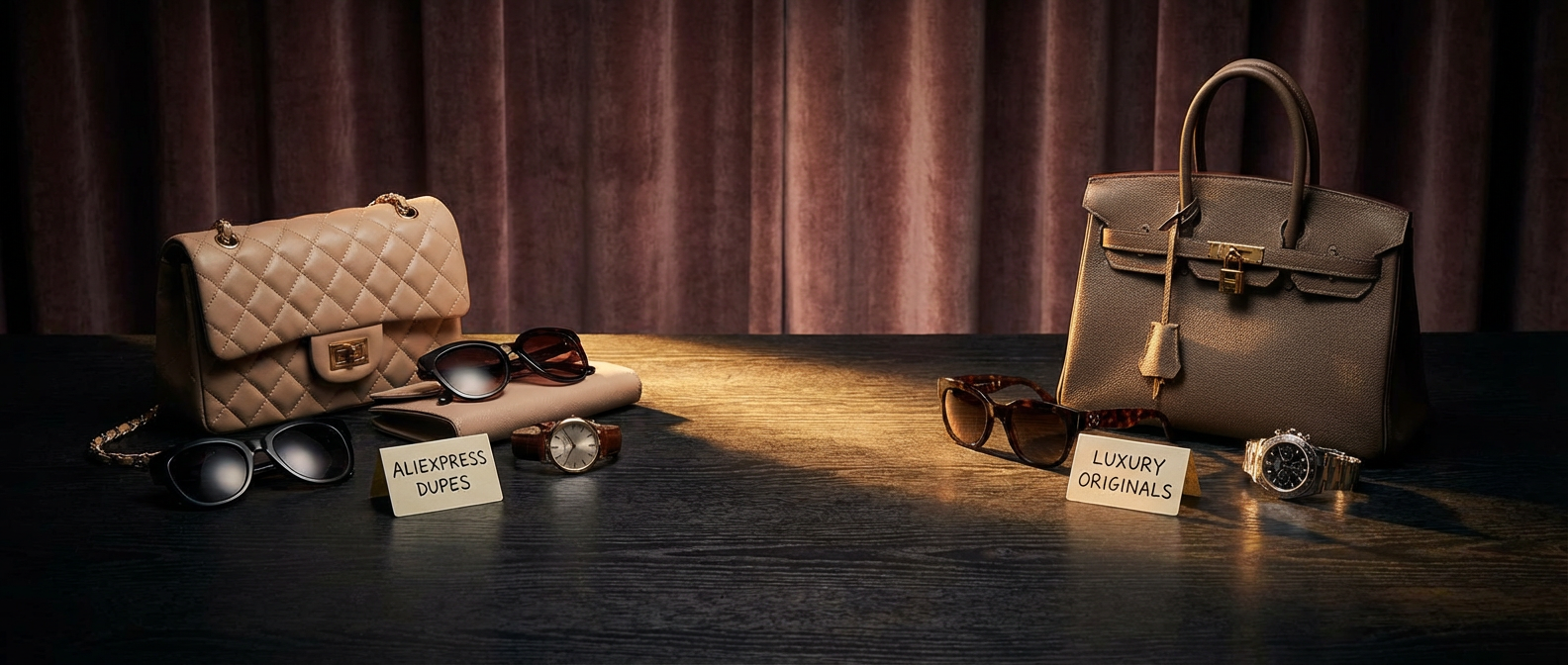
The inspiration came from watching my credit card statement cry after a “small” shopping spree. $2,400 for a handbag, sunglasses, sneakers, a belt, and jewelry that made me feel like I’d achieved peak adulthood. Two weeks later, my algorithm served up near-identical items on AliExpress for $47 total. The nerve of it all.
So I bought them. Because apparently I enjoy controlled chaos and have questionable spending priorities. What happened next surprised me more than finding out my “vintage” band tee was made in 2019.
The Great Material Mystery
Here’s where things got weird. The leather on the $340 designer belt felt exactly like the leather on the $8.99 dupe. Same texture. Same smell. Same way it creased when I bent it.
This wasn’t just my untrained hands talking. The Consumer Reports fashion dupe investigation found that 73% of tested fashion dupes had identical materials to their designer counterparts. The lab results don’t lie, even when our brand loyalty wants them to.
The sunglasses told a similar story. Both pairs had UV400 protection. Both used what looked like the same acetate frames. The difference? One had “CELINE” stamped on the side. The other had some symbol that might have been Chinese characters or abstract art.
The jewelry was where my confidence in this experiment started cracking. The designer piece felt substantial, weighty. The dupe arrived looking like it might dissolve if I looked at it wrong. But after three weeks of wearing both? The gold plating held up identically. Neither tarnished. Neither turned my neck green. Both got compliments from people who definitely know good jewelry when they see it.
When Your Friends Become Unwitting Test Subjects
I started wearing one version to brunch with Sarah, the other to drinks with Maya. Nobody noticed I was conducting field research on their fashion opinions.
Sarah complimented the dupe sneakers. Called them “so chic” and asked where I got them. When I wore the $450 originals the following week, she didn’t mention them at all. Maya loved the AliExpress handbag, saying it looked “expensive.” She was technically right and completely wrong at the same time.
The most telling moment came at my cousin’s wedding. I wore the designer jewelry with a simple black dress. Three people asked about my “beautiful necklace.” The following month, at another wedding, I wore the dupe version. Same dress. Same styling. Four people complimented it.
This isn’t scientific polling. But it made me question everything I thought I knew about perceived value and actual quality. Sometimes the emperor’s new clothes are just clothes, regardless of the price tag.
The Numbers Game Everyone’s Playing
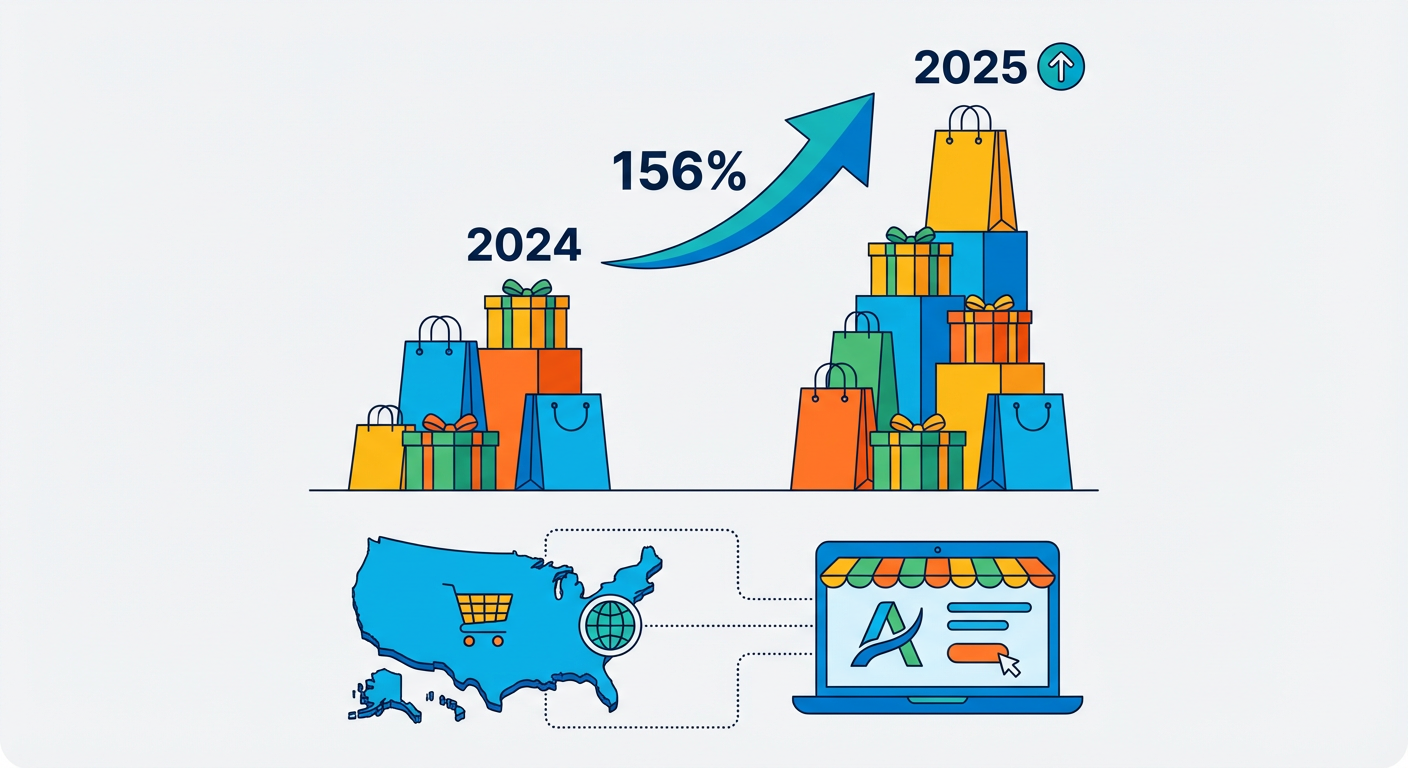
Turns out I’m not alone in this madness. AliExpress sales to US consumers jumped 156% last year compared to the year before. We’re all apparently conducting our own version of this experiment.
The bigger picture gets even more interesting. Shein and Temu together grabbed 23% of US fashion e-commerce sales in 2025, up from just 8% two years earlier. That’s not just growth. That’s a fundamental shift in how people think about fashion and value.
The McKinsey Gen Z shopping behavior study found that 61% of younger consumers prioritize price over brand authenticity when shopping online. They’re not buying dupes because they can’t afford originals. They’re buying them because spending $400 on a belt feels absurd when the $9 version does the exact same job.
Global trade in replica goods hit $509 billion last year, with fashion items making up 42% of that market. We’re not talking about a few people buying fake Rolex watches from sketchy websites. This is a massive, mainstream shift in consumer behavior.
What Actually Matters When You Strip Away the Logo
After six weeks of this experiment, here’s what I learned. The designer items felt better to buy. There’s something about that shopping experience, the packaging, the brand story that creates genuine satisfaction. It’s not imaginary. It’s real psychological value.
But the dupes performed better than expected in almost every practical measure. They lasted longer than I predicted. They looked more convincing than seemed fair. They made me feel just as put-together when I wore them.
The biggest difference wasn’t in materials or construction. It was in my head. When I wore the designer pieces, I felt like I was wearing something special. When I wore the dupes, I felt like I was getting away with something. Both feelings have their own appeal.
The quality gap exists, but it’s narrower than the price gap. Is the designer belt five times better than the dupe? Absolutely not. Is it better? Probably. Is it $330 better? That depends entirely on what matters to you and what $330 means in your life.
This whole experiment left me with more questions than answers. Which feels exactly right for something this complicated. What’s your experience been with dupes versus originals? Have you noticed the quality gap closing, or am I just really bad at telling the difference?